
It is a condition in which the body lacks a sufficient amount of zinc. Zinc is a crucial mineral critical for various biological functions, immune response, wound healing, taste perception and DNA synthesis. Zinc cannot be stored in the body; hence, the dietary intake of zinc is necessary.
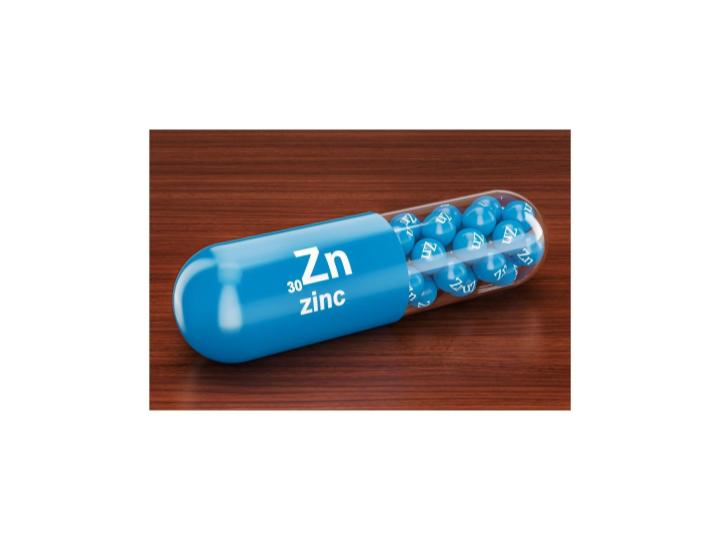
Types of Zinc Deficiency
Primary Zinc Deficiency: This is caused by insufficient dietary intake of zinc. It is commonly seen in children and pregnant women.
Secondary Zinc Deficiency: This condition is caused by illnesses or factors that affect the body’s ability to absorb zinc. Chronic illnesses, like liver or kidney diseases, can lead to zinc deficiency.
Inherited Zinc Deficiency: This type of zinc deficiency is extremely rare and typically present from birth due to genetic disorders.
Causes and Risk Factors of Zinc Deficiency
- An inadequate intake of zinc, especially in a vegetarian or vegan diet, may lead to zinc deficiency.
- Diseases such as Crohn’s disease and celiac disease affect the absorption of zinc.
- Chronic diarrhoea increases the zinc loss.
- Liver and kidney disease affect zinc absorption.
- During pregnancy and lactation, there is an increased need for zinc.
- Certain medications, such as diuretics and ACE inhibitors, can contribute to zinc deficiency.
Symptoms of Zinc deficiency
- Impaired immunity functions
- Hair loss
- Delayed would healing
- Growth and retardation in children
- Loss of appetite
- Diarrhoa
- Skin lesions
- Impaired sense of taste
- Eye problems and night blindness
- Cognitive disturbances and depression in severe cases.
Diagnosis of Zinc Deficiency
- Diagnosis is based on medical history, dietary history, nd physical examination.
- Blood tests, such as serum zinc level.
- Hair or urine zinc tests
Treatment of Zinc Deficiency
- Oral zinc supplementation
- Dietary correction
- Treatment of underlying diseases.
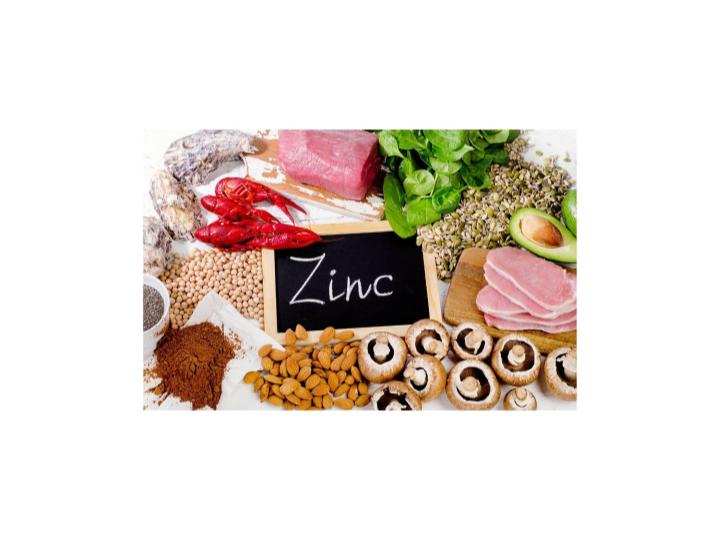
Diet and Lifestyle for Zinc Deficiency
- Zinc-rich foods include:
- Red meat
- Poultry
- Shellfish
- Whole grains
- Dairy products
- Beans
- Lenstils
- Nuts and seeds
- Fortified cereals
Lifestyle Tips
- Avoid excessive alcohol consumption
- Consider zinc supplements during periods, pregnancy and lactation with the guidance of a doctor.
- Maintain good gut health.
- Soak, ferment, or sprout legumes and grains to reduce phytates, which inhibit zinc absorption.
Nutritional deficiencies can impact overall health and the immune system. Due to this, it may lead to chronic illness. Hence, treating deficiencies at an early stage and making dietary corrections are vital in maintaining health. Always consult a doctor for guidance and treatment for deficiency-related symptoms.