
Xerosis, also called dry skin, is a common skin condition characterised by rough, scaly, and cracked or flaky skin due to a lack of moisture. This condition is most common in older adults, but it can also occur at any age. Xerosis is a temporary condition, but it may last longer in cases such as eczema, diabetes mellitus, and in cold weather and lifestyle factors.
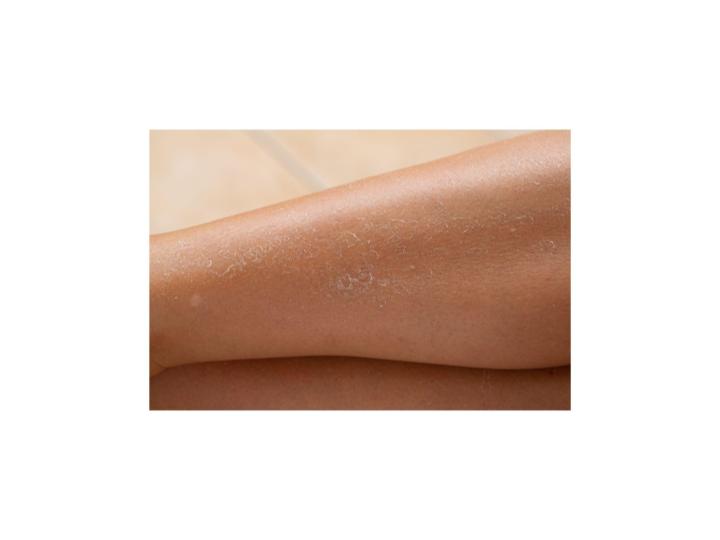
Causes and Risk Factors of Xerosis
- The natural decline in oil production in older adults due to ageing causes dry skin.
- Frequent washing with harsh soaps disrupts the natural oil balance of the skin. A family history of dry skin increased the risk of xerosis.
- Environmental factors, like low humidity, cold weather, and hot showers
- Poor nutrition and dehydration can lead to dry and unhealthy skin
- Diseases such as diabetes mellitus and eczema can cause dry skin.
Symptoms of Xerosis
- Dry, rough and flaky skin
- Intense itching
- Redness and irritation of the skin
- Cracked or fissured skin
- A tight or uncomfortable feeling after bathing
- Peeling or scaling of skin
- It is sometimes associated with excessive dryness
Diagnosis of Xerosis
- Diagnosis is primarily based on physical appearance, symptoms and medical history.
- Patch testing in case of allergic dermatitis is suspected
- Blood tests to rule out underlying diseases.
Treatment of Xerosis
- Oral medications
- Ointments
Diet and Lifestyle and Prevention of Xerosis
- Use lukewarm water for bathing
- Apply moisturiser after bathing
- Use mild, fragrance-free cleansers.
- Limit bathing time to 5-10 minutes
- Eat a nutritious diet.
- Stay hydrated.
- Avoid scratching.
- Wear breathable cotton clothes.
The largest and most important organisation is the body. When you experience symptoms like dry skin, it is necessary to consult a doctor and receive proper treatment and guidance to prevent chronic skin conditions, which can be challenging to treat.