
It is a condition in which the veins become swollen, twisted and tortuous due to continuous pressure on them. Varicose veins are found under the skin of the legs. In varicose veins, the vein walls and valves are weakened, causing backflow of blood and resulting in dilated veins. Women, older adults, and individuals who engage in prolonged periods of continuous standing activity are at a higher risk of developing varicose veins.
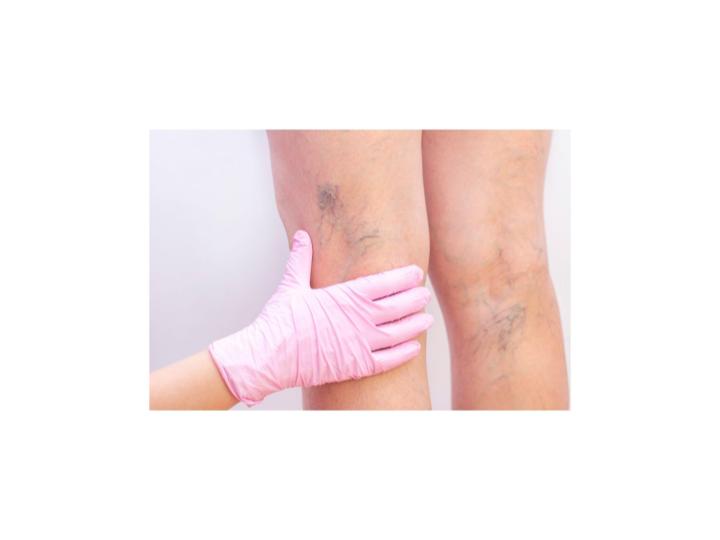
Types of Varicose Veins
- Large superficial varicose veins: In this type, the veins are significantly dilated, more than 3 mm, and commonly visible on the legs.
- Spider veins: These are smaller, red and blue, web-like veins near the skin’s surface.
- Other forms: Varicoceles and haemorrhoids involve dilated veins in different areas.
Causes and Risk Factors of Varicose Veins
- The risk of varicose veins increases after the age of 40.
- Pregnancy, oral contraceptives, and menopause contribute to the formation of varicose veins due to hormonal imbalance.
- Genetics play a significant role in varicose vein development, as it tends to run in families.
- Obesity can lead to varicose veins due to increased pressure on the veins.
- Occupational causes, such as prolonged standing or sitting, elevate the pressure in leg veins.
- Other conditions, such as trauma or deep vein thrombosis, where a blood clot forms in a deep vein, can also cause varicose veins.
- Smoking increases the risk of varicose veins as it can affect the walls of blood vessels.
Symptoms of Varicose Veins
- Bulging of veins
- Blue-dark purple-coloured veins are easily visible on the legs.
- Swelling in the legs.
- Itching, burning and pain in the legs.
- Dryness of skin.
- The legs feel restless at night.
Complications of Varicose Veins
- Phlebitis, also known as vein inflammation, may occur due to chronic symptoms of varicose veins.
- Bleeding or ruptured veins.
- Venous leg ulcers and non-healing wounds are the major complications of varicose veins.
- Deep vein thrombosis is a rare complication that is characterised by the formation of a blood clot in the deep veins.
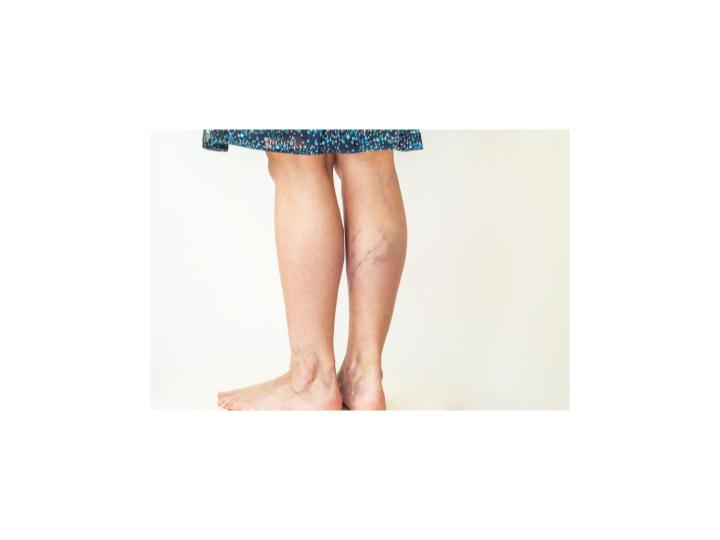
Diagnosis of Varicose Veins
- Diagnosis is based on detailed medical examination and History
- Duplex ultrasound is done to assess the valve conditions of the veins
- Imaging is done to rule out deep vein thrombosis.
Treatment of Varicose Veins
- Leg elevation and compression stockings are advised.
- Surgical interventions like Sclerotherapy, Microphlebectomy, and vein stripping are done in severe cases.
Diet and Lifestyle Management
- Maintain a healthy weight to reduce venous pressure.
- Stay active by doing regular exercise and stretching. Leg elevation to reduce the swelling of the legs
- Use stockings as advised by doctors.
- Avoid wearing tight clothing and high heels for extended periods.
- Quit smoking.
Early detection of varicose vein symptoms, combined with proper treatment and lifestyle modifications, can alleviate symptoms, prevent complications, and facilitate a rapid recovery.