
Malaria is a common and complex parasitic infection caused by the parasite Plasmodium. This parasite is transmitted to human beings by the bite of infected mosquitoes. It can cause various symptoms, from mild to moderate, and it can also lead to serious complications like severe cerebral infections, which can cause death. Anopheles mosquitoes are the primary vectors of the malaria parasite, transmitting the disease to humans through their bites.
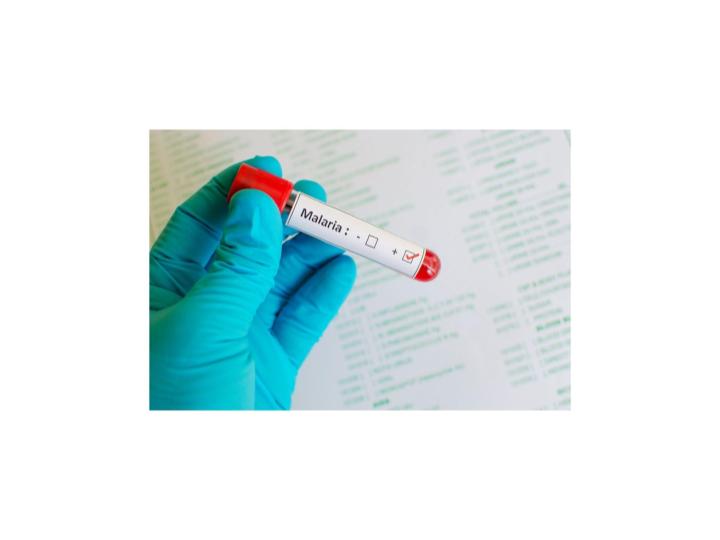
Causes of Malaria
The genus Plasmodium causes malaria.
Transmission Cycle of the Malaria Parasite
- The malaria parasite enters the human body through the bite of an infected mosquito.
- Once it enters the human body, it travels to the liver and grows there.
- Anopheles mosquito bites the infected human with malaria, and the parasite
- The malaria parasite enters the bloodstream and destroys blood cells
- Some parasites produce gametocytes, which are the sexual forms of the parasite capable of reproducing the other parasites
- When a mosquito bites a human who is infected, the gametocytes are transferred to the mosquito, where they multiply and develop into new sporozoites.
- And when this infected mosquito again bites another healthy human, it transfers the parasite, and the healthy human gets malaria.
This is how the cycle continues.
This is the cycle of malaria.
Symptoms of Malaria
- Malaria causes fever with chills followed by the sweat stage.
- Headache
- Body ache, Muscle pain
- Nausea And Vomiting
- Weakness and fatigue
- Rapid breathing
- Rapid heart rate
- Abdominal pain
- Diarrhoea
- A lack of appetite means a person does not feel like eating.
Complications of Malaria Parasites
- Cerebral malaria causes brain damage due to blocked vessels and poor oxygen supply.
- Organ failure: Malaria affects multiple systems in the body, causing organ failure
- Acute respiratory distress syndrome: This lung condition can cause difficulty in breathing.
- Other complications like severe jaundice, pulmonary jaundice, etc.
- Delay in treatment, the type of parasite, and a weakened immune system are factors that increase a person’s susceptibility to malaria infection.
Diagnosis of Malaria
- The diagnosis is based on a medical history and a thorough physical examination.
- Blood investigations like
- Malaria parasite antigen test
- Complete blood count
- ESR- Erythrocyte sedimentation rate
- CRP- C-reactive protein.
- Imaging scans
- X ray
- MRI scan
- CT scan
Treatment of Malaria
- Oral medication
- Intravenous medication
- Intensive care in severe conditions
Diet and Lifestyle Tips for Malaria
- Eat a balanced diet rich in protein.
- Drink plenty of water and stay hydrated
- Eat fruits.
- Take complete rest
- Adequate sleep hours and a healthy lifestyle help us to
- Improve our immunity and overall health.
Malaria infection is a life-threatening situation. Consulting a doctor early for proper diagnosis and treatment is crucial in every illness. Do not self-medicate. Do not treat any fever at home. Consult a doctor promptly for timely medical attention.