
Renal calculi are the formation of stones in any part of the urinary tract. The Kidneys, ureters, bladder, and urethra are the parts of the urinary system. The stone can form any of these parts. Kidney stones are a common and complex medical condition. Kidney stones affect approximately 1 in 11 people, with men being more commonly affected than women.
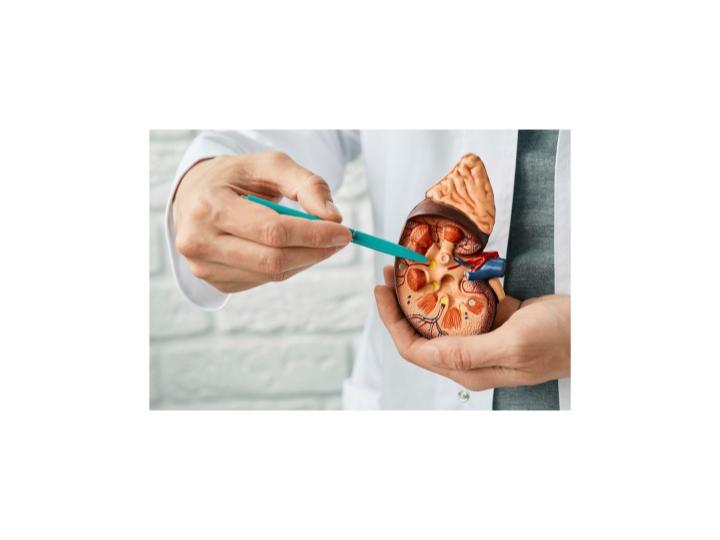
Kidney stones occur when the volume of urine decreases, as seen in dehydration. They also form when the urine contains excessive amounts of stone-forming components, such as uric acid, calcium oxalate, and phosphate.
Let’s understand the types of Kidney stones.
Calcium stones
There are two types of calcium stones: calcium oxalate and calcium phosphate. These types of kidney stones are formed when calcium is combined with oxalate and phosphate. Calcium oxalate stones are more common.
Uric acid stones
When the uric acid level in the body increases above the normal level, it can lead to the formation of uric acid kidney stones.
Struvite stones
This type of stone is called an infection stone. They can form due to urinary tract infections, particularly those involving urease-producing bacteria.
Cystine stone
These are a rare type of kidney stone. They occur due to a hereditary condition called cystinuria, which is a condition in which the kidneys leak the amino acid cystine in urine.
Causes of Kidney Stones
Concentrated urine due to decreased fluid intake, dehydration due to climatic conditions, and Diarrhoea that lasts longer.
- Urinary tract obstruction
- Recurrent urinary tract infections
- Plysystic kidney diseases
- Nutritional deficiency, such as Vitamin
- Hypercalcemia in the body. Occurs due to hypothyroidism or excessive intake of calcium.
- Hyperoxaluria occurs due to excessive intake of oxalate-rich foods, such as tomato, radish, spinach, strawberry, tea, and chocolate.
- Hyperuricemia: Excessive intake of purine-rich foods like Red Meat, fish, etc.
- Age – Kidney stones are common in individuals aged 30-50 years.
Symptoms of Kidney Stones
- Sharp pain in the back which radiates to the lower abdomen or groins.
- Presence of blood in the urine.
- Nausea and Vomiting
- Difficulty in passing urine in case of obstructive kidney stones.
- Burning while passing urine.
- Frequent urine infections..
- Sometimes it is associated with fever.
Diagnosis
- The diagnosis of kidney stones is made based on detailed medical history and physical examination.
- Blood tests like Complete Blood Count, Serum Vitamin levels, Serum Uric Acid, Serum Calcium, etc
- X-ray of the kidney, urine, and bladder region KUB
- Sonography
- MRI scan
- CT scan
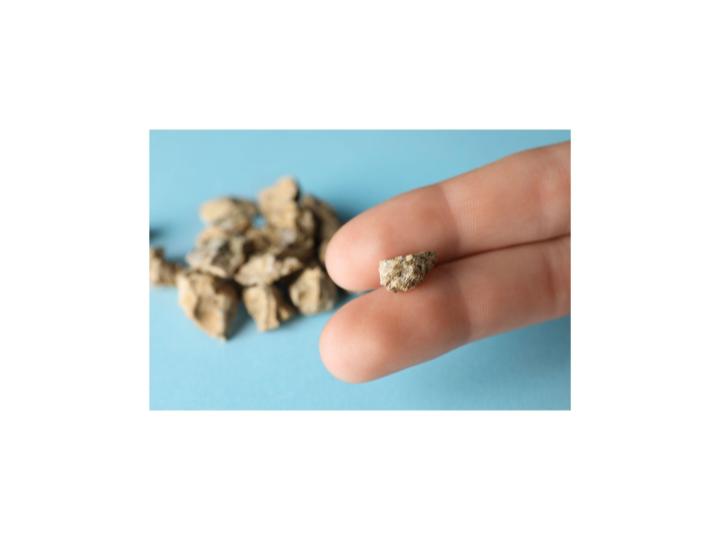
Treatment of Kidney Stones:
- Oral Medications
- Intravenous medication
- Hydrotherapy- Intravenous fluid therapy
- Surgical treatments, such as shock wave lithotripsy, are non-invasive procedures that use shock waves to break up stones into smaller parts that can be passed in the urine.
- Uteroscopy: A thin scope is used to insert into the bladder and to remove or break the stones in the ureter using a laser.
- Percutaneous Nephrolithotomy PCNL) is done by making a small incision or cut to access the kidney to remove the kidney stone.
- Open surgery is rarely performed, as it involves a large cut or incision to remove kidney stones.
Complications of Kidney Stones
- Recurrent urinary infections; Kidney stones can cause recurrent urinary infections or inflammation
- Hydronephrosis: Swelling of the kidney due to kidney stone obstruction.
- Kidney failure
- Kidney infections like pyelonephritis, etc.
Diet and Tips for Kidney Stones
- Drink plenty of fluid, around 4 litres per day.
- Diet restrictions as advised by the doctor, depending on the type of kidney stone.
- If stone is of uric acid, then meat products, shellfish, asparagus, oats, dried peas, and spinach must be avoided.
- If you have stones of calcium oxalate, avoid spinach, sweet potato, beetroot, and almonds. Grapes etc.
- Eat a balanced diet
- Do regular exercise
At an early stage, kidney stones may not exhibit any symptoms at all, or they may appear occasionally and then subside. It is crucial to pay close attention to each other’s symptoms, even if they come occasionally and last for a short period. Always consult a doctor to gain a deeper understanding of the disease.