
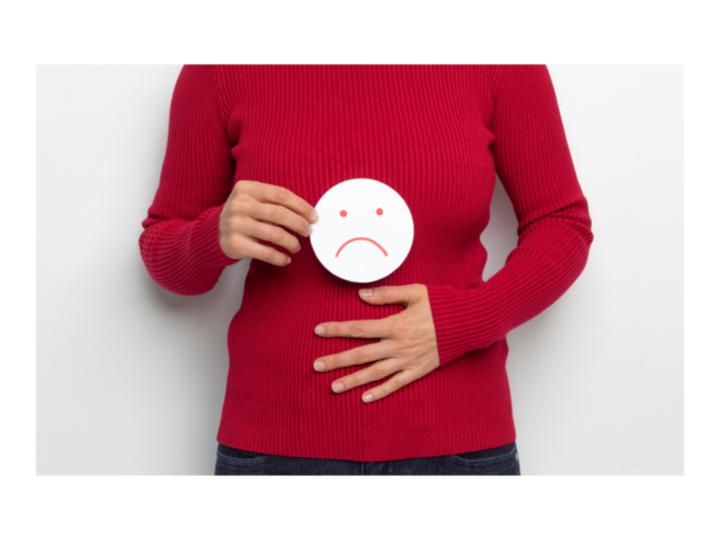
Constipation is a condition in which a person is unable to pass stools regularly. The stools are hard and Dry, and the frequency of passing stool is less than three times a week.
Nowadays, constipation has become a very commonly seen condition due to sedentary work models, where individuals are not involved in much physical activity. They need to make that extra hour of the day for physical activity, such as walking, and exercise becomes mandatory for good health.
Causes and Risk Factors of Constipation
- Low fibre intake, a Diet that is low in whole grains, vegetables, and fruits
- Inadequate water intake can cause constipation
- Lack of physical activity
- Underlying disease conditions
- Ignoring the stool urge
- Aging
- Lack of exercise and a sedentary lifestyle
Features of Constipation
- The frequency of passing the stool reduces, and a person can pass the stools less than three times a week.
- Hard stool
- Dry and lumpy stools
- Pain while passing stool
Complications of Constipation
Anal fissures: Hard stools can tear the soft anal tissue, causing cracks, pain, and bleeding during passage. This condition is known as a fissure.
Haemorrhoids and piles: Constipation leads to straining of the rectal muscles, which increases pressure on the rectal veins or blood vessels, resulting in swelling and pain in the affected area. It may also cause bleeding.
Rectal prolapse occurs due to straining, which weakens the rectal muscle by exerting constant pressure on the rectal soft tissue, causing it to protrude outside. This is known as rectal prolapse.
Faecal impaction: It is a severe complication of constipation where the hard stool accumulates and blocks the rectal passage. This further causes the obstruction and can lead to infection, nausea, vomiting, as the person becomes unable to pass stool.
Abdominal discomfort: It causes abdominal fullness, bloating, and a loss of appetite.
Other less common complications include diverticulitis, which is characterised by inflammation of the colon. Perforation in the colon.
Diagnosis of Constipation
- Detailed medical history and physical examination
- Further evaluation in chronic cases involves colonoscopy, sonography, etc
Treatment of Constipation
- Oral medications
- Ointments
- Treatment of underlying diseases
Tips for Lifestyle and Diet in Constipation
- Fibre-Rich Diet
- An adequate amount of water
- Exercise
Constipation is often overlooked unless it significantly impacts daily life. Due to this ignorance, the actual possible cause remains untreated, leading to further complications. To avoid such a situation, consult with the doctor on time.