
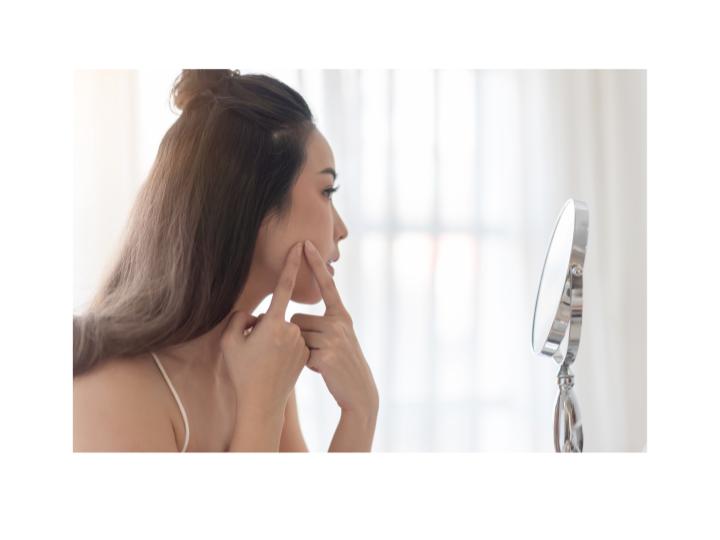
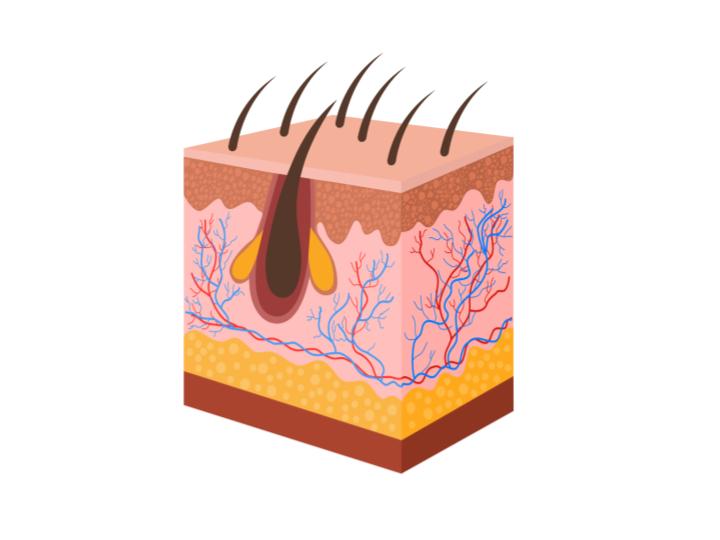
When the hair follicle beneath the skin gets blocked or clogged, it gets inflamed. Due to this phenomenon, the inflammation process takes place at the site of the clogged hair follicle, which is known as a pimple. It’s very common for people in their mid-20s to have acne while they have crossed puberty; these days, people in their 30s and 40s also have acne. Let’s delve into this topic a bit further.
Acne can affect a patient’s mental state, but it does not make anyone unattractive. A notable example is an actress in India who doesn’t wear makeup, yet she has red, inflamed acne on her cheeks and still appears incredibly beautiful. The purpose of writing this example is to illustrate that acne is a medical condition that can be treated, allowing you to regain healthy skin. However, on this journey, we must be patient and confident in ourselves. This is an essential step to avoid further mental stress, which can be a cause of worsening your acne to the next level. The digital platform offers a more convenient way to consult a doctor, tailored to your comfort.
Risk Factors and Causes of Acne
- Familial history
- Hormonal Causes: Puberty, Menstrual irregularities, PCOS, Contraceptive pills
- Occupation: Working in an Oily, greasy environment
- Constipation
- Anaemia
- Sitting jobs or a sedentary work life
- Fatty or junk food consumption
- Excessive use of cosmetics
Let’s examine this note to understand how different age groups develop pimples due to various causes.
At puberty, the cause of getting acne is a Hormonal imbalance. In the 30s and 40s, the cause of acne is primarily due to unhealthy lifestyle, junk food consumption, staying up late at night, and not getting enough sleep. In women, acne is more closely related to hormonal imbalances; they often experience acne before their periods or during their periods. Most women complain that they get pimples when there is an essential function to attend, well, the cause behind it is the stress and lack of sleep, especially when we are swamped fixing and arranging things for the critical function. Men develop pimples due to abnormal regulation of androgens like testosterone.
Symptoms of Acne
Comedone:
It appears to have elevated white or black dots. They can be actively inflamed. It often does not leave scars after healing. It is commonly known as a whitehead or blackhead. Comedones contain dried, hardened sebum, appearing white or blackening in colour.
Add a picture for reference.
Acne Papulosa:
It is a firm, red, bean-sized papule. It is inflamed and painful. It turns into a pustule. It leaves a significant mark on the face.
Acne Indurata:
It is a firm and hard nodule, which is red, hard, and painful. It has purulent fluid inside it. It leaves a scar after healing.
Symptoms of Acne
- Keloid formation. It is an irregularly elevated, stubborn scar which can be painful.
- Anxiety
- Depression
Diagnosis of Acne
- The presence of the above symptoms will help understand that they might have acne.
- Diagnosis is done based on clinical features and physical examination by healthcare professionals and dermatologists.
reatment for AcneT
- Oral Medication
- Topical Ointments
- Diet and lifestyle changes
- Treatment of the primary cause, such as hormonal issues
Diet and Lifestyle Tips for Acne
- Adequate sleep and rest
- Stress management
- Exercise and yoga
- Include fruits rich in antioxidant properties, such as oranges, Coconut, Bananas, and berries, along with seasonal fruits and vegetables.
- Eat seasonal and regional.
- Drink an adequate quantity of water. 3-4 litres per day.
- Avoid junk food
- Use non-irritant Mild soaps
- Do not pick acne.
- Eat a balanced and nutritious diet.
- Maintain good skin hygiene by properly cleaning and moisturising the skin.
Mental Well-being and Acne
It becomes challenging for a person to attend social meetings or gatherings when they have acne on their face. Well, the acne doesn’t make you ugly, are you sure about that? It is a medical condition with a known cause, and yes, it has a treatment.
Get professional health care to address problems like anxiety and depression arising due to skin complaints.
A digital platform is a convenient way to consult a doctor from the comfort of your own home.