
Carpal tunnel syndrome happens due to a problem with the Median nerve. Carpal tunnel syndrome has become a more common neuropathy. Neuropathy refers to a problem with the nerves. According to research, almost 90 per cent of neuropathy cases are related to carpal tunnel syndrome.

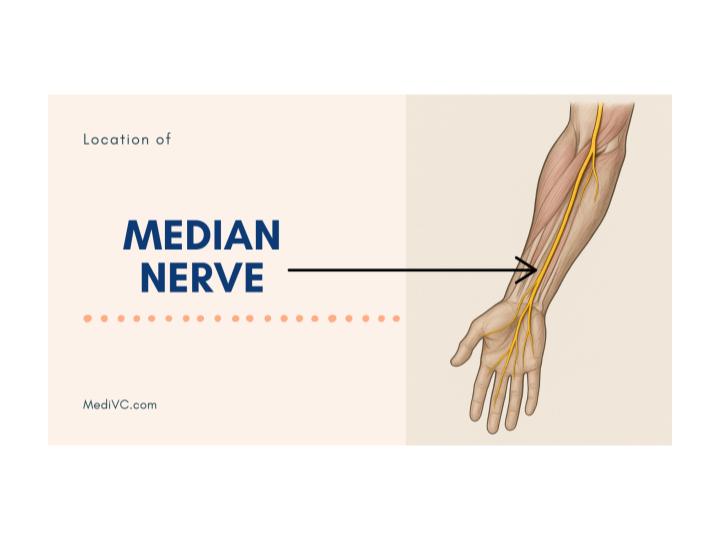
Now, let’s understand what the median nerve is and where it is located in the body.
What is a nerve? A nerve is a cable-like structure that carries information from the brain to the spinal cord and other parts of the body, and vice versa. The median nerve is located in our arm. It is a major nerve in the arm, providing signals to the forearm and hands.
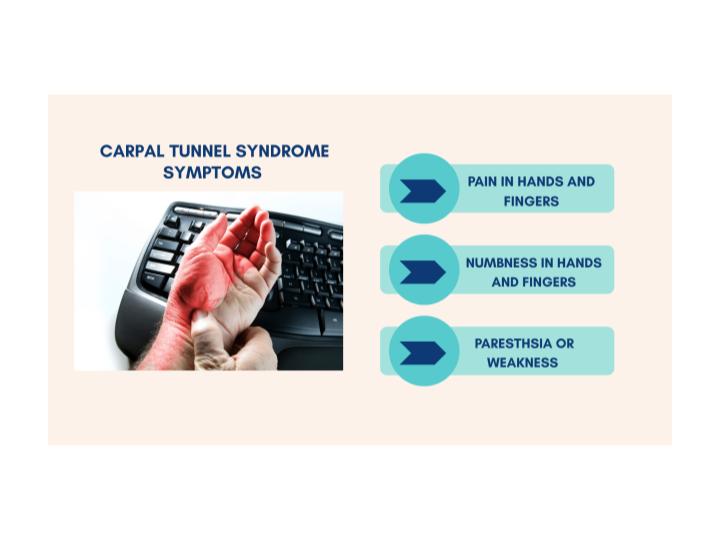
Carpel tunnel syndrome is characterised by pain, numbness, and weakness of the hand. Persons involved in repetitive hand movements are more susceptible to developing carpal tunnel syndrome. Nowadays, keyboard typing is a significant activity people do while performing their work in the office; this repetitive movement can cause carpal tunnel syndrome.
Now let’s take a deeper look at all the possible causes of carpal tunnel syndrome.e
Causes and Risk of Carpal Tunnel Syndrome
- Family History and Genetic Predisposition
- Dislocation of the nerve
- Fractures or injury to the arm or forearm
- Arthritis-like, Rheumatoid arthritis, infectious arthritis
- Acromegaly is an abnormal condition characterised by excessive growth hormone levels in the body. Excessive growth hormone causes abnormal growth of tissue and bones in the body.
- Pregnancy due to hormonal and physical changes can create excessive and constant pressure on the median nerve, which causes carpal tunnel syndrome.
- Menopause – Due to hormonal changes
- Obesity
- Alcoholism
- Chronic illnesses like Diabetes mellitus, Neurological diseases, and Cardiovascular diseases can cause carpal tunnel syndrome.
- Vitamin deficiencies include those of vitamin B12 and Vitamin C.
- Exposure to various toxins while working in factories and environmental air pollution.
Symptoms of Carpal Tunnel Syndrome
- Pain and numbness in the hand
- Weakness of the hand, unable to hold things due to a lack of grip in the hand
- Numbness of hands, Pins and needles feeling in hands
- Swelling at the joint
- Burning sensation in fingers
Complications of Carpal Tunnel Syndrome
- Permanent nerve damage
- Formation of a neuroma, a non-cancerous growth of nerves
- Weakness of hands
Diagnosis of Carpal Tunnel Syndrome
- Detailed medical history and physical examination
- Nerve conduction studies
- Electromyography
- MRI scans
- Sonography
- Blood tests
- A doctor advises tests as required to rule out the cause.
Treatment
- Oral Medication
- Physiotherapy
- Treatment of the underlying cause
Tips for Carpal Tunnel Syndrome
- Give your hands a break if they’re involved in activities like typing or sports.
- Eat a nutritious and balanced diet to avoid nutritional deficiencies
- Get enough amount of sunlight, it is a natural source of vitamin D and good for nerve and bone health
- Do regular exercise, which improves lymph circulation, and it is suitable for overall health
- Stay hydrated. Muscle and nerve health are closely related to proper hydration.
- Get adequate sleep
- Do pranayama
Consult a doctor as soon as you observe symptoms like pain, numbness, or stiffness, as this will help prevent further damage or permanent nerve damage. Nerve damage is a permanent change; therefore, prompt medical treatment is essential to avoid such complications. Consult the doctor online if you are too busy with your work.