
Ringworm, also known as Tinea, is a common fungal infection. It appears as a red, circular rash, itchy at the edges, and the middle skin looks pinkish, giving it a ring-like appearance. It can affect any part of the body. Ringworm is highly contagious, meaning it can transfer from one person to another very quickly. The red patch gradually turns brown to dark black over time. Ringworm can persist for an extended period if left untreated.
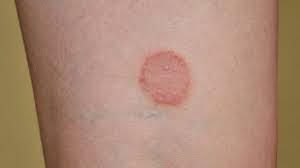
Various Types of Ringworm
Tinea Corposris:
It primarily affects the extremities and torso of the body, meaning the arms and legs, with the central part of the body encompassing the chest, abdomen, pelvic area, and back.
Tinea Cruris:
This type of fungal infection is most common in men and primarily affects the groin area.
Tinea Capitis:
This type of fungal infection appears on the scalp, most commonly in children. It causes scaly patches on the scalps which bleeds on excessive scratching.
Tinea Pedis:
Tinea pedis is also called Athlete’s foot.
Tinea Unguinum:
This is the fungal infection of the nails, causing them to thicken, discolour, and become brittle.
Tinea Barbae:
Tinea Barbae affects the beard area in men, causing swelling and crust formation.
Causes and Risk Factors of Ringworm
- Fungal organisms cause ringworm, primarily the Microsporum and Trichophyton species.
- Direct contact with the infected person or animals can cause the Ringworm
- Sharing personal items
- Excessive Humid environment
- Poor Hygiene
- Weakened immune system
- Wearing tight and non-breathable clothes
- Public places like washrooms and gyms can increase the risk of catching the infection.
Symptoms of Ringworm
- The red, circular patch resembles a ring. It has red elevated edges.
- Itching, burning and irritation
- Cracking and scaling of skin
- Pustules
- Hair loss and thickened nails
Diagnosis of Ringworm
- A detailed medical history and physical examination.
- Skin scraping or KOH test: Through this test, microscopic examination of fungal elements is done.
- Fungal culture to identify the specific organism.
- Wood’s Lamp examination: UV light used to detect fungal infections
Treatment of Ringworm
- Ointment
- Oral medications
- Antiseptic washes
Diet and Lifestyle for Ringworm Prevention and Recovery
- Keep the skin dry and clean.
- We are wearing loose, breathable cotton clothes
- Do not share personal items
- Wash bedding regularly
- Take a bath after sweating heavily, or after returning home from a long trip.
- Maintain good hygiene
- Ringworm is also common among pets. Treat pets if they show signs of ringworm.
If you suspect ringworm, consult a dermatologist as soon as possible for proper treatment, which will stop the spread of the disease. Proper hygiene and complete treatment courses are essential for eliminating Ringworm.