
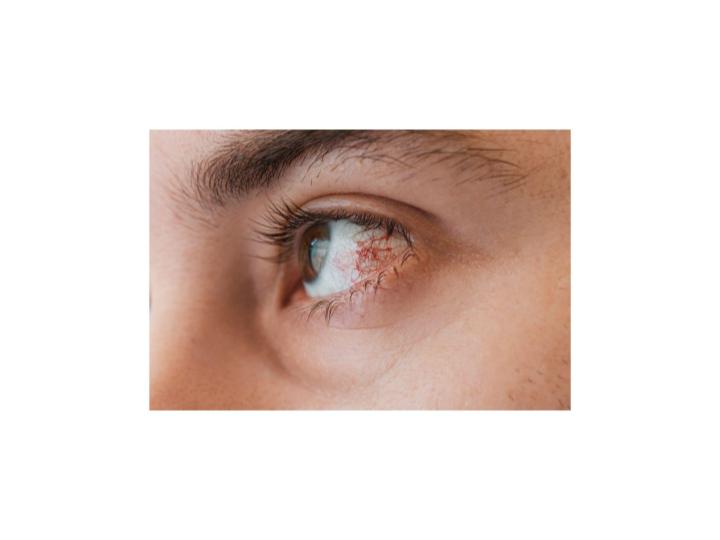
Keratitis is a clinical condition that causes inflammation of the cornea. The cornea is a transparent part or layer of the eye which covers the pupil and is located on the front side of each eye. Due to infection or some non-infectious reason, inflammatory cells accumulate on the cornea. This is known as keratitis.
Causes and Risk Factors of Keratitis
Infectious keratitis includes:
- Bacterial keratitis: it is caused by viruses like Streptococcus, Staphylococcus, Pseudomonas, etc
- Viral keratitis: This is caused by herpes simplex virus, Herpes zoster virus, etc
- Candida, Aspergillus, and other fungi cause fungal keratitis.
- Helminths Non-infectious keratitis
Non-infectious Keratitis is caused by:
- Nutritional deficiency of vitamin A causes Xerophthalmia, which leads to keratitis.
- Foreign body
- Neurotrophic corneal ulcer due to nerve damage
- Other systemic diseases like rheumatoid arthritis, immunological diseases, etc
Symptoms of Keratitis
- Pain in the eye
- Redness of the eyes
- Light sensitivity
- Blurred vision
- Sensation of the forehead in the eyes
- Excessive Tearing from the eyes
Diagnosis of Keratitis
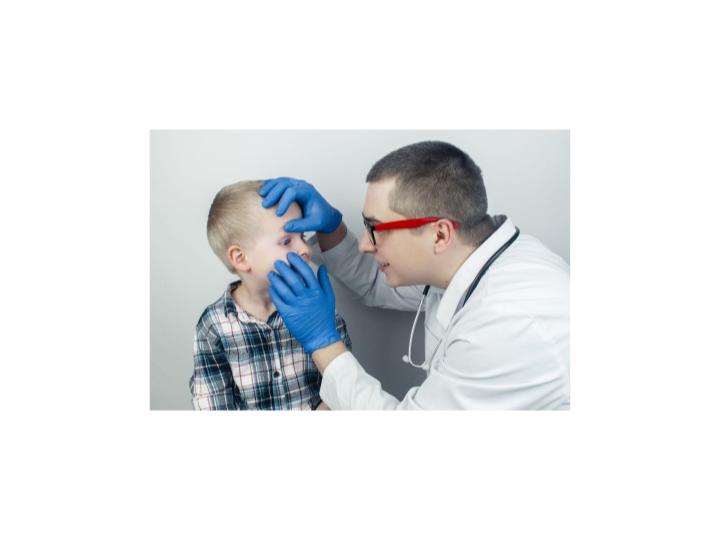
- Diagnosis of keratitis is made based on a medical history and a physical and eye examination.
- Slit lamp examination, in which a bright light is used to examine the eyes.Fluorescein staining: In this test, the eye examination is done under blue light
- Cornieal scraping and culture: in which the corneal cells or discharges are collected and sent to labs
- PCR testing: This test is used to detect the presence of the infection.
- Complete blood count
- Other tests like Gram stain, KOH stain, etc
Treatment of Keratitis
- Oral medication
- Eye drops
- Intravenous medication in severe infections
- Surgeries
Tips for Managing Keratitis
- Clean your contact lenses and glasses daily to maintain optimal vision.
- Wash hands regularly
- Avoid touching your eyes frequently
- Do not wear lenses while sleeping, showering, or swimming in a pool.
Continuously educate yourself about the common symptoms of diseases, as this helps us detect them at an early stage, allowing us to consult a doctor promptly.