
Fever is a typical immune or inflammatory response to protect the body from harm.
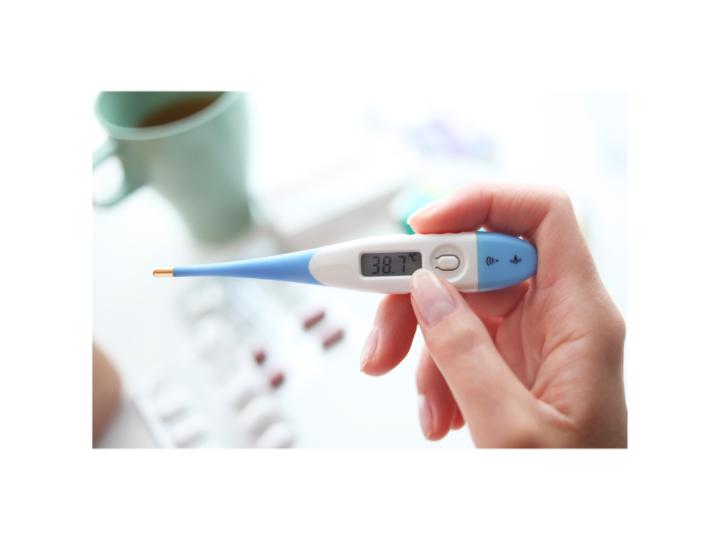
Causes of Fever
- Infections: Viral infections, Bacterial infections, Fungal infections
- Inflammatory conditions like Arthritis, Lupus
- Heat strokes
- Cancers or malignancies
- Vaccinations
- Certain medications can cause fever due to an adverse reaction
- Allergies
Characteristic of Fever
- Low-grade fever: 99.1 to 100.4 °F
- Moderate Fever: 100.6 to 102.2 °F
- High grade Fever: 102.4 to 105.8 °F
- Hyperthermia: Greater than 105.8 °F
Symptoms of Fever
- Elevated body temperature
- Chills
- Sweating
- Fatigue
- Muscle aches
- Loss of appetite
- Rapid heartbeat
- Flushed skin
Diagnosis of Fever
- Detailed medical history and physical examination
- Blood tests like CBC, CRP, ESR
- The doctor may recommend additional diagnostic tests to further evaluate the cause.
Treatment of Fever
For mild to moderate fever
- Oral medications, rest, and Oral hydration
For severe cases
- Oral medications
- Intravenous medication
- Intensive care
- Treatment according to the cause
Complications of Fever
Fever can be fatal, and it can cause the following complications
- Hyperpyrexia
- Sepsis or Shock
- Heat stroke
- Meningitis
Tips for Fever Management
- Stay hydrated
- Take rest
- Eat a soft and light meal, and a balanced diet.
- Always consult a Doctor when the Fever is moderate to high-grade and there is no improvement in symptoms after taking oral medications.
- Do not self-medicate during a fever.
Always consult a doctor when you get a fever. Self-medication is harmful in conditions like fever.