
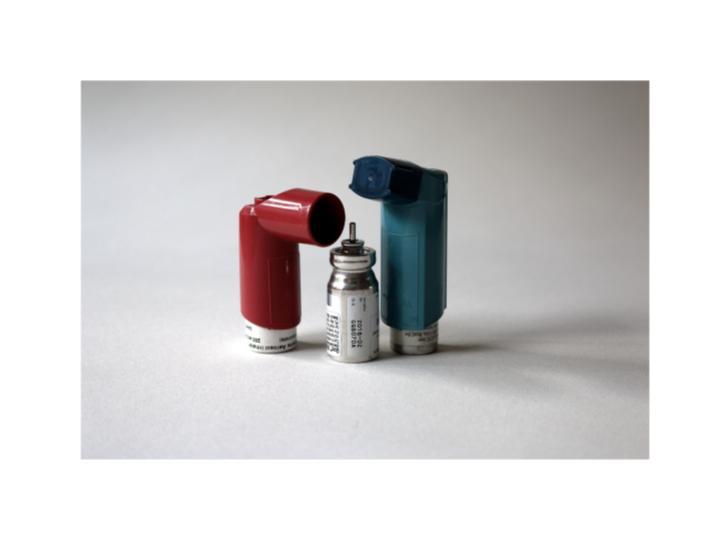
In bronchial asthma, the airways of the lung passages become hypersensitive, reacting to almost every environmental factor. This hypersensitivity of the airway passages stimulates the inflammatory response, causing inflammation that produces symptoms such as cough, wheezing, and dyspnoea, or breathing problems.
Risk Factors and Causes of Asthma
- Family History
- Most common in children
- Allergens such as Dust, pollen, air pollution, etc
- Food allergies
- Infections
- Worm infestation, like ascariasis
- Emotional stress
- Physical exertion
- Fatigue
- Changes in weather and temperature
- Heavy meal
- Cigarette smoking
Types and Symptoms of Asthma
Acute attack
- Acute asthma is a sudden onset of symptoms that subsides within a few hours with medication, and the patient may feel normal between attacks.
- The arrival of symptoms is sudden, typically starting in late morning or early morning.
- Dyspnea – Difficulty in breathing, a need for open air
- Physical restlessness
- Wheezzing
- Cough with expectoration or Dry cough
Status asthmatics
In this condition, symptoms persist without remission or relief.
Symptoms of status asthmaticus
- Severe difficulty in breathing
- Severe restlessness
- Inability to speak
- Exhaustion
- Anxiety
- Exteremities can become cold due to a loss of oxygen supply to the body
Complications of Asthma
- Sudden death during status asthmaticus
- It can develop various infections due to low immunity
- Emphyesema
- Bronchiectasis
This is the emergency that requires instant hospitalisation. Always visit the nearest emergency care centre when you experience such symptoms.
Diagnosis of Asthma
- A medical history and physical examination.
- Blood investigations
- X-ray chest
- Pulmonary function test
Treatment of Asthma
- Inhalation
- Oral medications
- Intravenous medication
- In severe cases, Oxygen supply, mechanical ventilation, etc
Tips for Management of Asthma
- Always visit your Doctor in case of emergency, do not ignore symptoms.
- Do not self-medicate in case of asthma
- Take rest
- The propped position comforts individuals who have asthma, making it easier for them to breathe.
- Steam inhalation
- Understand the trigger factor and avoid it
Bronchial asthma needs proper medical observation, treatment, and management. Therefore, do not treat such symptoms at home without consulting a healthcare professional. Consult a doctor online in case of acute attacks and visit the nearest hospital immediately in the event of status asthmaticus or severe symptoms.