

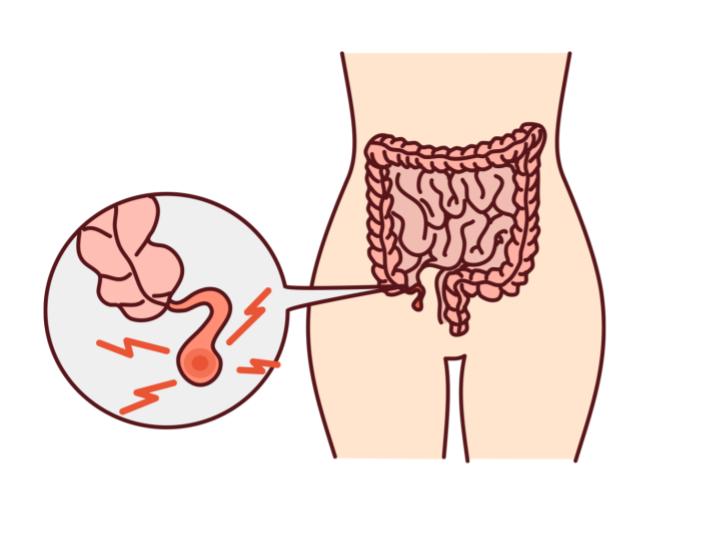
Appendicitis is caused by inflammation of the vermiform appendix, and it is typically present acutely for 24 hours. The main symptoms of appendicitis are fever, pain and vomiting. Vermiform appendicitis is a regular muscular part of the human body attached to the intestine.
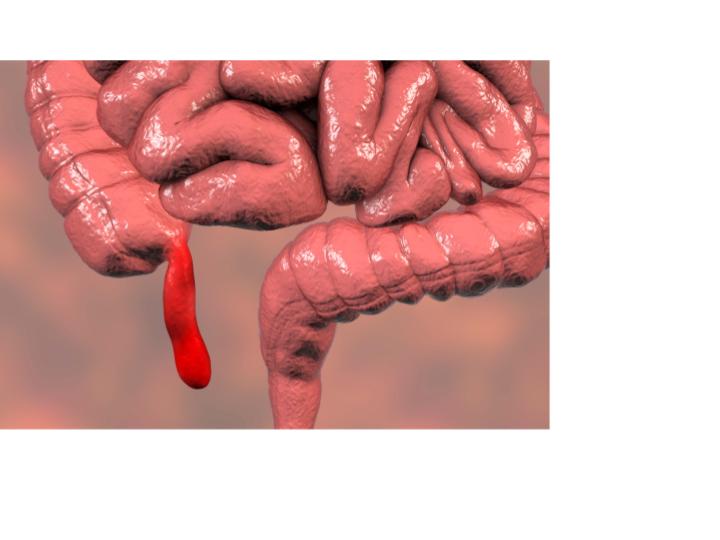
Let’s first understand that the vermiform appendix is a standard part of the human body. Everyone has it. It is a tube-like, worm-shaped muscular part attached to the large intestine in the human body.
Causes and Risk Factors of Acute Appendicitis
- Obstruction in the lumen of the appendix: We have learned about the function of the appendix. This appendix is tube-shaped; therefore, it has a hollow space inside. This hollow space sometimes gets obstructed or blocked due to worms.
- Stricture is one of the causes of acute appendicitis; it refers to the abnormal narrowing of a body passage. In the case of appendicitis, the appendix, which is typically a tube-like structure, becomes abnormally narrow, resulting in the condition.
- Excessive use of purgatives, which are medications that help relieve constipation by inducing bowel movements, can also lead to appendicitis. The constant stimulation of the appendix by these medications can cause inflammation and eventually lead to the condition.
- Common in children
- Most common in Men
- Infections caused by viruses, bacteria, fungi, and parasites can also lead to acute appendicitis.
- Causative Organism such as E.coli, Enterococci
- Family History and Genetic Predispositions.
People often choose to eat outside, in restaurants, or at street food stalls. We offer a variety of tasty and satisfying food choices; however, consuming junk food like burgers, pizza, and fried items daily can harm our stomach health. By making wise food choices, such as opting for simple, homemade meals, we can help prevent appendicitis.
Symptoms of Acute Appendicitis
- The onset of the symptom is mostly abrupt.
- Murphy’s Triad – This is a most significant and specific feature of appendicitis.
Sequence of symptoms in order of appearance
- Pain
- Vomiting
- Fever
- Characteristic of Pain – Pain of appendicitis usually starts at the umbilical region and localises in the right iliac region. The pain is constant, severe, and it worsens by coughing.
- Nausea
- Vomiting
- Fever
- Anorexia is known as a loss of appetite
- Constipation
- Tenderness in the abdomen, Pain is felt on palpating the abdomen
Complications of Acute Appendicitis
- Appendicular abscess
- Perforation
- Gangrene
- Peritonitis

Diagnosis of Acute Appendicitis
Diagnosis of Acute appendicitis includes:
- Detailed physical examination.
- CBC Complete Blood Count
- ESR: Erythrocyte Sedimentation Rate
- CRP: C-Reactive Protein
- Sonography – USG of abdomen
Treatment of Acute Appendicitis
- Oral Medications
- Intravenous Medication and Fluids
- Diet Management: Administer nothing by mouth for the initial hours, followed by fluids and then progression to solid foods
- Surgical treatment: Appendectomy
Diet and Lifestyle Tips for Acute Appendicitis and Prevention
- Maintain fluid and electrolyte balance
- Prefer an easily digestible diet, Such as Soft, home-cooked food. And soft fruits like Banana, Melons
- Avoid junk food, fatty, and oily food
- Do Regular exercise, like walking, cycling
- Adequate sleep: Get 7-8 hours of sleep
- Do not consume alcohol
- Seek help from medical professionals
We learned that Murphy’s triad, which is a crucial triad to understand the appendicitis, pain, vomiting, and fever, are mostly present and common symptoms of appendicitis. Consult the doctor on time to avoid complications of diseases.